
There is a specific moment when you step out of the sliding glass doors at Noi Bai airport in Hanoi or Tan Son Nhat in Ho Chi Minh City that defines your entire trip. If you have flown in from the drizzle of Heathrow or the grey concrete of Gatwick, the first thing that hits you isn't the sight of the thousands of motorbikes or the smell of charred pork on a street grill. It is the air. In the peak months, it is a dry heat that feels manageable. During the off season, however, that air is a thick, floral, and heavy blanket of humidity that wraps around your lungs like a warm hug from a long lost relative. You might find yourself standing on the pavement, wiping sweat from your brow before you even find your taxi, and wondering if you have made a massive tactical error by booking your holidays to Vietnam during the monsoon.
I have spent a decade navigating this corner of the world, and I can tell you that the low season is often the most misunderstood time to visit. Most British travellers are terrified of the word monsoon. We hear it and we think of the Lake District in November: endless, depressing grey drizzle that ruins your shoes and keeps you trapped in a pub. Vietnam is different. The rain here is theatrical. It is a sudden, violent, and magnificent performance that turns the streets into rivers for twenty minutes before vanishing to leave a sky that is more vibrant and blue than anything you will see in a London summer. Is off season Vietnam travel worth it? If you are the kind of person who values a bit of solitude, a lower price point, and a more authentic slice of local life, the answer is a resounding yes.
When you first arrive, the chaos of the motorbikes can feel overwhelming, but in the off season, there is a slightly slower tempo to the madness. The drivers are often wearing colorful plastic ponchos, weaving through the rain with a casual indifference that makes our British obsession with umbrellas look a bit silly. You will notice that the colors of the city are more saturated. The yellow paint on the old French villas seems to glow against the dark clouds, and the greenery of the city trees is so bright it almost looks artificial. It is a sensory overload that starts the moment you land and doesn't let up until you are back on the plane home.
Pricing Advantages
One of the most immediate benefits of heading East when everyone else is staying at home is the sheer power of the British pound. We all know that the cost of living at home has made a fortnight in Cornwall more expensive than a month in Southeast Asia, but the off season takes those savings to a different level. You can check the latest exchange rates on XE to see just how far your money goes, but the real savings are in the fixed costs of your trip.
Let us start with the flights. If you are looking at the peak months of December or January, you can expect to pay a premium for those direct Vietnam Airlines seats from London. Move your search to May, June, or even September, and the prices plummet. I have seen return tickets for hundreds of pounds less than the peak rate, which essentially pays for your entire internal travel budget. This allows you to splurge on things you might otherwise skip, like a private guide or a luxury boat cruise through the limestone karsts.
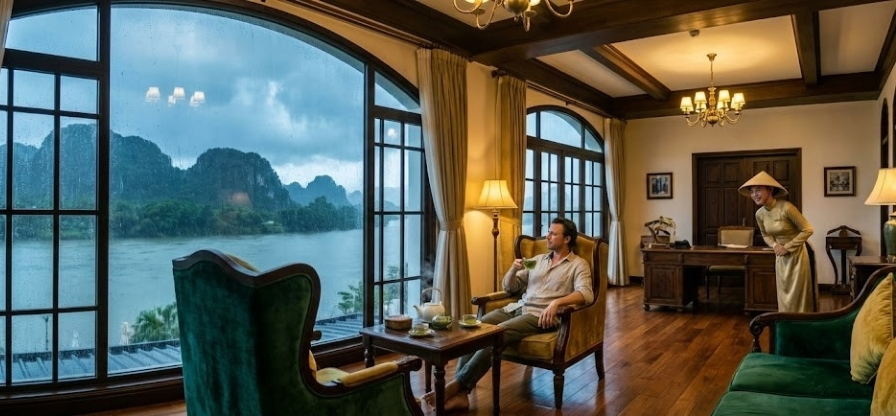
Once you are on the ground, the luxury becomes accessible. I remember staying at a five star colonial era hotel in Hue during the height of the rainy season. In the peak months, this place is booked out by tour groups and retirees with deep pockets. In October, I was one of only three guests. I had a suite that usually costs a fortune for the price of a mid range boutique room. The staff had time to talk, to show me the hidden corners of the property, and to recommend the best local spots for bun bo Hue that weren't in any guidebook. These are the holidays where you get to experience the high life without the high price tag.
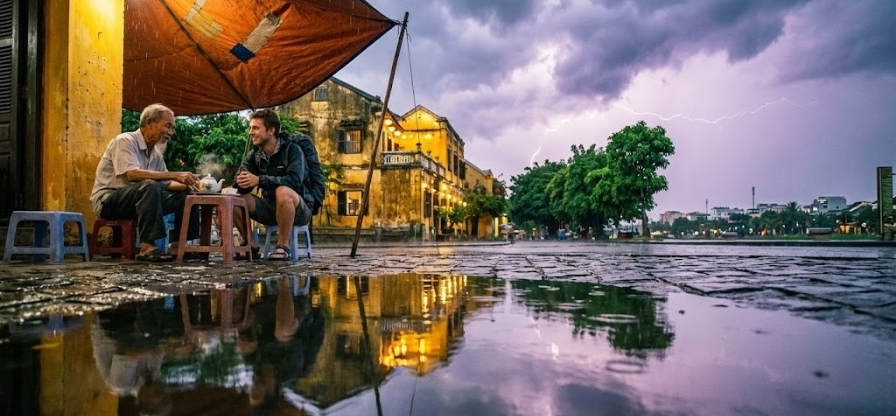
Even in the local markets, your bargaining power increases. When a vendor in the Old Quarter of Hanoi sees fewer tourists, they are much more likely to give you the local price without the usual song and dance. You aren't just a walking wallet to them. You are a guest. There is a sense of relief in the air when the crowds thin out, and that translates to a much more relaxed, friendly interaction every time you buy a coffee or a silk scarf. You might find yourself invited to sit on a tiny stool for a glass of green tea while the rain hammers down outside, a genuine moment of connection that is hard to find when the streets are packed with tour groups.
Weather Reality
We need to talk about the rain because it is the biggest hurdle for most people. There is a myth that the rainy season means it rains all day, every day. That is simply not true. Most days follow a predictable rhythm. You wake up to a sky that is often clear or lightly clouded. The heat builds up throughout the afternoon until the air feels like it is vibrating. Then, usually around four or five in the afternoon, the sky turns a bruised shade of purple. You can keep an eye on the National Centre for Hydro Meteorological Forecasting for the most accurate local updates, but usually, your eyes are the best tool you have.
The locals know what is coming. You will see the street vendors suddenly pulling plastic sheets over their goods with a practiced speed that is almost artistic. Then the clouds burst. This isn't the polite British rain that we are used to. This is a deluge. It smells of wet earth, jasmine, and hot asphalt. It is loud. It hammers against the corrugated metal roofs and creates a wall of water that makes it impossible to see across the street.
My advice is to embrace it. Do not try to run for a taxi. Instead, find a small cafe, grab a low plastic stool, and order a cà phê sữa đá. Watching a Hanoi downpour from the safety of a narrow alleyway is one of the most peaceful experiences you can have. The sound of the rain drowns out the motorbikes, the air cools down instantly, and for a few minutes, the city feels like it is holding its breath. Within half an hour, it is usually over. The sun comes back out, the steam rises from the ground, and the colors of the city seem to have been dialed up to eleven. The greens of the trees are more vivid, and the yellow of the French colonial buildings looks freshly painted.
This cycle of rain and sun creates a unique atmosphere. The dust is washed away, the air feels crisp for a while, and the evening light is often spectacular. It is a world away from the grey, persistent drizzle of a London autumn. In Vietnam, the rain is a refresh button for the entire city. It brings people together under awnings, forces a pause in the day, and leaves everything looking clean and bright.
Regional Differences
This is the part that catches most UK travellers out. Vietnam is a long, thin country with a coastline that stretches for over three thousand kilometers. This means that when it is the off season in one place, it might be the absolute peak of summer in another. If you plan your trip based on a general Southeast Asia weather guide, you are going to get caught out. I always suggest checking specific itineraries to see how the geography affects your plans.
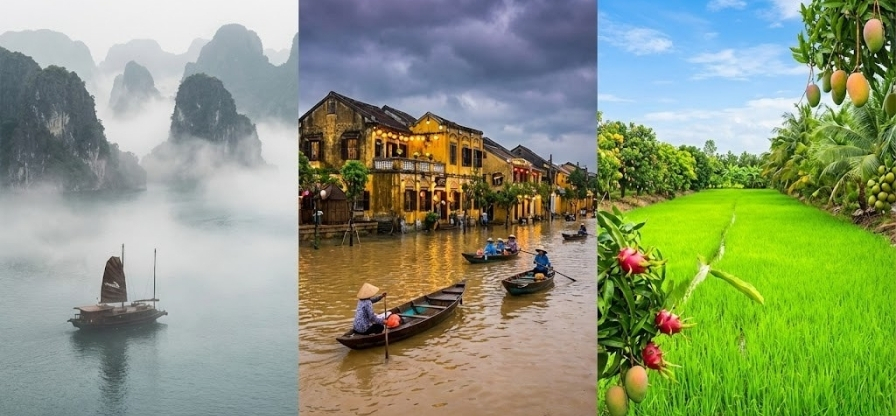
North Vietnam, which includes Hanoi and the breathtaking Ha Long Bay, has a proper winter. From November to February, it can be surprisingly chilly. I have stood on a boat in Ha Long Bay in January wearing a thick fleece and a raincoat, looking at a wall of white mist. It is beautiful, like a traditional ink wash painting, but it is not the tropical holiday most people expect. The off season here is actually the height of summer, from June to August, when it is incredibly hot and prone to big storms.
Central Vietnam, home to the ancient town of Hoi An and the beaches of Da Nang, follows its own rules. Their rainy season is much later, usually hitting hard from October to December. If you go to Hoi An in November, you might find the river has overflowed and people are navigating the streets in boats. It is atmospheric, but your beach plans will be well and truly dampened. However, if you visit the Center in July, you might find it perfectly sunny while the South is getting drenched.
The South, including Ho Chi Minh City and the Mekong Delta, is the most consistent. They have a simple dry season and wet season. The off season here runs from May to October. This is when you get those classic afternoon tropical bursts. The humidity is higher, but the landscapes of the Mekong Delta are at their most spectacular. The rice paddies are a green so bright it almost hurts your eyes, and the fruit orchards are heavy with produce. Understanding these regional shifts is the secret to a successful trip. You can essentially chase the sun up and down the country if you know which months to pick for which region.
Don't forget the Central Highlands either. Places like Da Lat provide a cool escape from the heat of the plains. In the off season, the waterfalls are at their most powerful, and the pine forests are shrouded in a romantic mist that makes you feel like you are in the French Alps rather than Southeast Asia. Each region has a different personality when the rain arrives, and exploring that variety is half the fun of a long trip.
Who Should Consider Off Season Travel?
The off season isn't for everyone. if you are the type of person who needs ten hours of guaranteed sun for a tan, you should probably stick to the peak months. However, there are certain types of travellers for whom the off season is actually the superior choice.
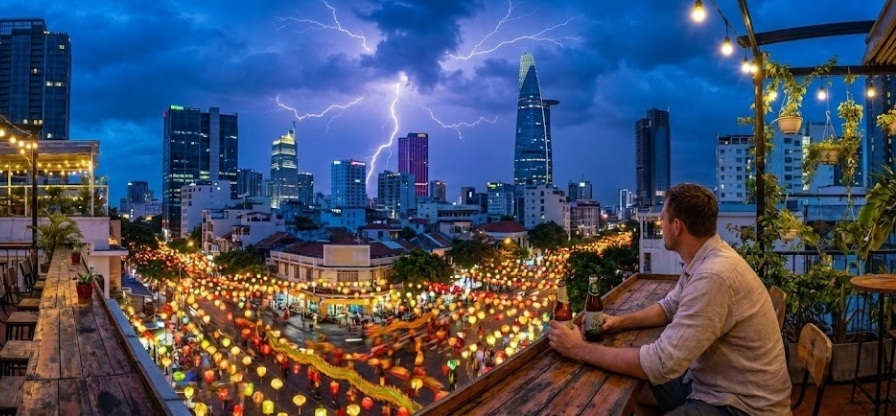
Photographers should jump at the chance to visit during the monsoon. The light during the dry season can be flat and harsh, with a haze that sits over the mountains and the cities. In the rainy season, the air is scrubbed clean. The clouds provide drama and texture to your shots. The reflections in the puddles on the ancient streets of Hoi An create some of the most beautiful compositions you will ever find. There is a depth to the landscape that you just don't get when the sky is a constant, boring blue. The dramatic lightning over the skyline of Ho Chi Minh City or the way the rice terraces in the North catch the light between storms is a dream for anyone with a camera.
Budget backpackers or young professionals looking to make their money go further will also find it a dream. You can live like royalty on a shoestring budget. You can decide where you want to go on the day, rather than having to book transport and hostels weeks in advance. That freedom to follow your nose is a rare thing in modern travel, and the off season hands it to you on a silver platter. You can find incredible luxury hotels at prices that would barely get you a hostel bed in London.
Lastly, if you are someone who hates the feeling of being in a tourist bubble, this is your time. In the peak season, places like Sapa or the Old Quarter can feel a bit like a theme park. In the off season, you see the real Vietnam. You see the kids playing in the rain, the elderly men gathered around a tea stall despite the weather, and the quiet, stoic beauty of a country that doesn't stop just because the sky has opened up. You get to have conversations that aren't rushed because the waiter isn't trying to turn over your table for the next group of tourists. It is the best time to experience the legendary hospitality of the Vietnamese people in its purest form.
Even the food experience changes. When it is raining, the locals head for comfort food. There is nothing quite like sitting in a steaming hot pot restaurant while the rain drums on the roof. The heat of the broth, the spice of the dipping sauces, and the cold beer in your hand create a perfect contrast to the wet streets outside. These are the moments where you feel less like a tourist and more like a part of the city rhythm.
When We Recommend It
If you are looking for that elusive sweet spot, I usually point people towards the shoulder months. For me, the best months to visit are April or October. These are the bridge months where you are transitioning between seasons. They offer the best balance of decent weather, lower prices, and manageable crowds.
In April, the North is warming up but isn't yet oppressive. The Central coast is beautiful and dry, and the South is still mostly sunny. You avoid the massive crowds of the Lunar New Year, known as Tet, which can make travel a nightmare as the whole country moves at once. In October, you might get some rain in the Center, but the North is often crisp and clear, and the South is starting to dry out. It is a fantastic time for trekking in the mountains before the winter chill sets in.
You should also consider the specific festivals that happen during these months. The Mid Autumn Festival, usually falling in September or October, is a magical time to be in the cities. The streets are filled with lion dancers, mooncakes are sold on every corner, and the children carry glowing lanterns through the night. It is a vibrant, family oriented celebration that gives you a deep insight into the local culture, and it happens right in the heart of the off season.
Ultimately, Vietnam is a country that wears its weather with pride. Whether it is the mist of the mountains or the steam of the southern deltas, the environment is part of the story. If you can handle a bit of sweat and the occasional wet shirt, the rewards of travelling in the off season are immense. You will find a country that is more welcoming, more affordable, and infinitely more beautiful than the one the crowds see in the height of January.
So, pack a lightweight poncho, leave your British weather anxieties at the boarding gate, and get ready to see Vietnam in its most honest, vibrant state. It is a decision you won't regret when you are sitting in a quiet bar in Saigon, watching the lightning dance over the skyscrapers with a cold beer in your hand and plenty of money left in your pocket. This is the version of Vietnam that stays with you, the one that feels real, messy, and absolutely magnificent. You can start planning your own adventure with the experts at Holidays to Vietnam to ensure you find the perfect route for your specific dates. Whether you are looking for a solo journey or a family escape, the off season is waiting to show you its secrets.